Injury Prevention Strategies for Miners: Protecting Your Workforce
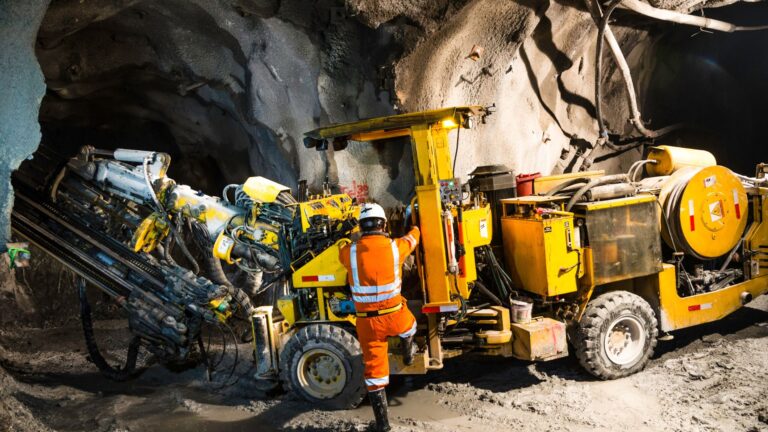
Working in mining places significant physical demands on the body every single day. Whether you’re operating heavy equipment, climbing ladders, performing maintenance, handling materials, or working in confined spaces, your muscles, joints, and connective tissues are constantly being challenged. Over time, these physical demands can contribute to fatigue, decreased mobility, muscle imbalances, and overuse injuries if they aren’t properly managed.
As Certified Athletic Therapists working with miners, one of the most common misconceptions we hear is that aches and pains are simply “part of the job.” While mining is undoubtedly a physically demanding profession, persistent pain should never be considered normal. In many cases, discomfort is your body’s way of signalling that something isn’t functioning as efficiently as it should. Addressing these warning signs early can often prevent a minor issue from developing into an injury that requires time away from work.
One of the most effective ways to reduce injury risk begins before your shift even starts. Preparing your body with a proper warm-up helps increase blood flow to your muscles, improve joint mobility, and activate the muscles responsible for maintaining good posture and movement throughout the day. After hours of sleep, long drives to site, or sitting during pre-shift meetings, your body benefits from gradually transitioning into physical work rather than immediately lifting, climbing, or performing repetitive tasks. Even five to ten minutes of dynamic movements such as bodyweight squats, lunges, hip mobility exercises, arm circles, shoulder activation, and gentle trunk rotations can improve movement quality and reduce unnecessary strain on your body during the shift.
Just as important as preparing your body is ensuring it has the physical capacity to tolerate the demands of your job. Many workers believe that because their job is physically active, additional exercise isn’t necessary. However, physical work and strength training serve different purposes. Mining often involves repetitive movements that place stress on the same muscles and joints every day. Over time, this can create muscular imbalances, reduced mobility, and compensatory movement patterns that increase the likelihood of injury. A well-designed strength training program helps improve muscular endurance, joint stability, balance, coordination, and overall resilience. Strengthening the legs, core, shoulders, back, and grip not only makes everyday work tasks feel easier but also helps your body better withstand unexpected movements, slips, trips, or awkward lifting situations.
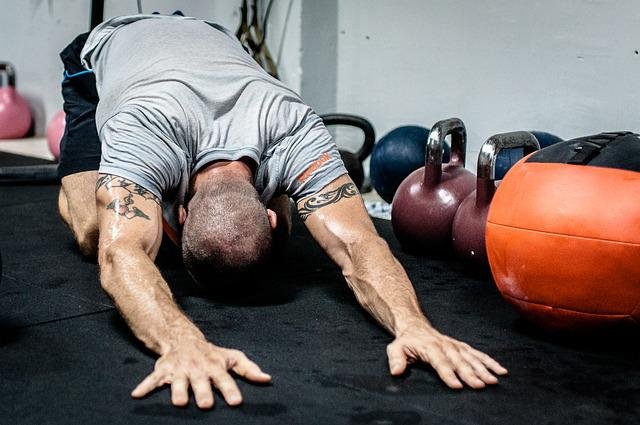
Recovery is another area that is often overlooked but plays a critical role in injury prevention. Your body doesn’t become stronger while you’re working, it adapts and repairs during recovery. If recovery is consistently neglected, fatigue accumulates and your body’s ability to tolerate physical stress gradually decreases. Taking a few minutes after your shift to perform light stretching or mobility exercises can help restore normal movement, reduce muscle stiffness, and improve circulation. Areas such as the hips, hamstrings, calves, chest, shoulders, neck, and lower back often become tight during long shifts and benefit from regular mobility work. Recovery also includes allowing your body enough time to rest before the next shift and avoiding the mindset that soreness should simply be ignored.
Sleep is one of the most powerful recovery tools available, yet it is often one of the most challenging aspects of working in mining. Rotational schedules, night shifts, and extended work hours can all interfere with your body’s natural sleep cycle. From a health perspective, insufficient sleep affects much more than energy levels. It reduces reaction time, slows decision-making, decreases coordination, impairs concentration, and limits your body’s ability to repair muscles and connective tissues. Research consistently shows that fatigue increases the likelihood of workplace injuries and errors. Creating a cool, dark, quiet sleeping environment, limiting screen exposure before bed, managing caffeine intake later in the shift, and maintaining a consistent sleep routine whenever possible can all contribute to better recovery and improved performance at work.
Nutrition and hydration are equally important when it comes to keeping your body functioning at its best. Your muscles require adequate fuel to generate force, maintain endurance, and recover between shifts. Choosing meals that include lean protein, whole grains, fruits, vegetables, and healthy fats provides more sustained energy than relying on processed snacks or energy drinks throughout the day. Hydration is just as critical. Even mild dehydration can reduce muscular endurance, impair concentration, slow reaction time, and increase feelings of fatigue. Waiting until you feel thirsty means you’re already becoming dehydrated. Drinking water consistently throughout your shift, particularly in hot environments or while wearing personal protective equipment, helps support both physical performance and cognitive function.
Mental readiness is another important component of injury prevention that is sometimes overlooked. Mining environments require constant attention, sound judgment, and quick decision-making. High stress levels, poor sleep, personal concerns, or mental fatigue can all reduce your situational awareness and increase the risk of errors. Taking a few moments before each shift to honestly assess how you’re feeling, both physically and mentally, can help identify when additional caution or support may be needed. Looking after your mental health is not separate from workplace safety; the two are closely connected.
Another strategy that can significantly reduce injury risk is addressing small problems before they become larger ones. Many musculoskeletal injuries develop gradually rather than occurring suddenly. Tight muscles, reduced range of motion, recurring soreness, or mild discomfort are often early warning signs that your body is struggling to manage the physical demands being placed upon it. Seeking assessment and treatment early allows healthcare professionals to identify contributing factors, restore normal movement patterns, and implement strategies before a more significant injury develops. Early intervention almost always leads to shorter recovery times and better long-term outcomes.
Movement quality also matters. While no one moves perfectly all the time, practicing proper lifting mechanics, keeping loads close to your body, avoiding unnecessary twisting while carrying weight, using mechanical lifting aids whenever available, and changing positions during repetitive tasks all help reduce cumulative stress on your muscles and joints. These small adjustments may seem insignificant in the moment, but over the course of thousands of repetitions throughout a career, they can have a substantial impact on reducing wear and tear on the body.
Finally, injury prevention is not an individual responsibility alone, it is part of creating a strong safety culture. Looking out for your coworkers, encouraging one another to report discomfort early, supporting healthy work habits, and speaking up when someone appears fatigued or at risk all contribute to a safer workplace. A team that prioritizes health and injury prevention is better equipped to work efficiently, remain productive, and return home safely at the end of every shift.
The mining industry will always be physically demanding, but that doesn’t mean injuries are inevitable. Many of the most common musculoskeletal injuries can be prevented by consistently practicing simple habits: preparing your body before work, building strength outside of work, prioritizing recovery, getting adequate sleep, eating well, staying hydrated, maintaining good movement quality, and addressing concerns before they become serious. These strategies are not about working less, they’re about helping your body perform at its best so you can continue doing the work you enjoy safely and sustainably throughout your career. Investing in your health today is one of the most important steps you can take toward protecting both your livelihood and your long-term quality of life.