Ergonomics in Mining: How Proper Technique Protects Your Body
In mining, the physical demand of the job rarely comes from one single moment. It’s not usually one lift, one twist, or one awkward task that leads to discomfort. Instead, it’s the repetition of small movements, postures, and habits over the course of a 12-hour shift repeated day after day that slowly adds up. What feels manageable at hour one can feel very different by hour ten. Fatigue sets in, posture begins to slip, shoulders creep upward, backs round forward, and the body starts absorbing far more stress than it needs to.
This is where ergonomics becomes less about theory and more about practical, everyday technique.
At Mynwell, when we talk about ergonomics on-site, we’re not talking about achieving “perfect posture.” We’re focused on helping workers recognize how small adjustments to how they sit, lift, grip, and move can protect their body over the long term especially as fatigue builds throughout a shift.
Consider equipment operators who spend most of their day seated in heavy machinery. Even with well-designed seats, the body naturally drifts into rounded shoulders and a forward head position over time. Controls that are slightly too far forward encourage reaching and screens may produce eye fatigue which will also encourage people to lean closer. Mirrors positioned off to one side encourage sustained neck rotation. A lack of lumbar support allows the low back to settle into flexion. None of these positions feel extreme at the moment, but after hours in the same posture, tension builds through the neck, chest, and upper back.
Small ergonomic resets here can make a meaningful difference. Adjusting the seat so the hips are fully supported and slightly higher than the knees helps reduce low back strain. Setting lumbar support to maintain a neutral spine discourages slumping. Bringing controls closer keeps the elbows nearer to the body and reduces shoulder fatigue. Even taking a few seconds every hour to sit taller, gently pull the shoulders back, and reset posture can interrupt the accumulation of tension.
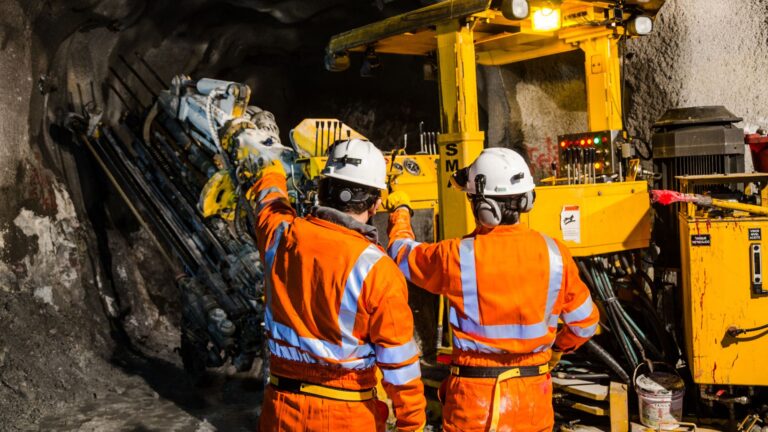
For labourers and mechanics, the physical demands often look very different. Their strain typically comes from repetition and overuse rather than sustained posture. One of the most common habits we see is elevated shoulders during overhead work or while using tools at chest height. When shoulders remain shrugged for long periods, the upper trapezius muscles take over, leading to neck tightness and shoulder fatigue that lingers long after the task is finished.
A simple but effective correction is learning to bring the work closer to the body and consciously relaxing the shoulders downward and the face muscles while working. This allows the larger muscles of the mid-back to assist and reduces unnecessary tension through the neck, face, and jaw.
Grip is another overlooked factor. Repetitive, high-force gripping of tools contributes to forearm tightness that often travels upward into the shoulders. Workers are often surprised to learn that their shoulder discomfort can originate from how tightly they hold their tools. Adjusting grip pressure, changing hand positions periodically, or using tools with more supportive handles can reduce this chain of tension.
A very practical example of ergonomics in action can be seen in the core shack. Workers moving core boxes often lift from very low positions or reach overhead repeatedly to place heavy loads onto high racks. This creates a repeated pattern of deep squatting (and/or forward bending if they are not lifting properly), overhead lifting, and twisting under load, a combination that places significant strain on the low back and shoulders.
A simple ergonomic solution that made an immediate difference was reorganizing where those boxes were stored. By moving them to a standardized hight, workers had a reduction of lifting from extreme high or extreme low heights. Combined with cues like keeping the core engaged during lifts and rotating with the feet instead of twisting through the torso, this change significantly reduced low back, shoulder, and wrist discomfort for those workers.
These improvements didn’t require more effort, just a different setup and approach.
Another key concept we emphasize is strength endurance. Proper technique is easiest to maintain when the body is fresh. As fatigue builds, posture and biomechanics naturally start to break down. This is when workers are more likely to round their backs during lifts, elevate their shoulders during tasks, or rush movements without thinking through them. Being aware of this pattern allows workers to slow down slightly and “think through their plan of action,” especially later in the shift when the body is tired.
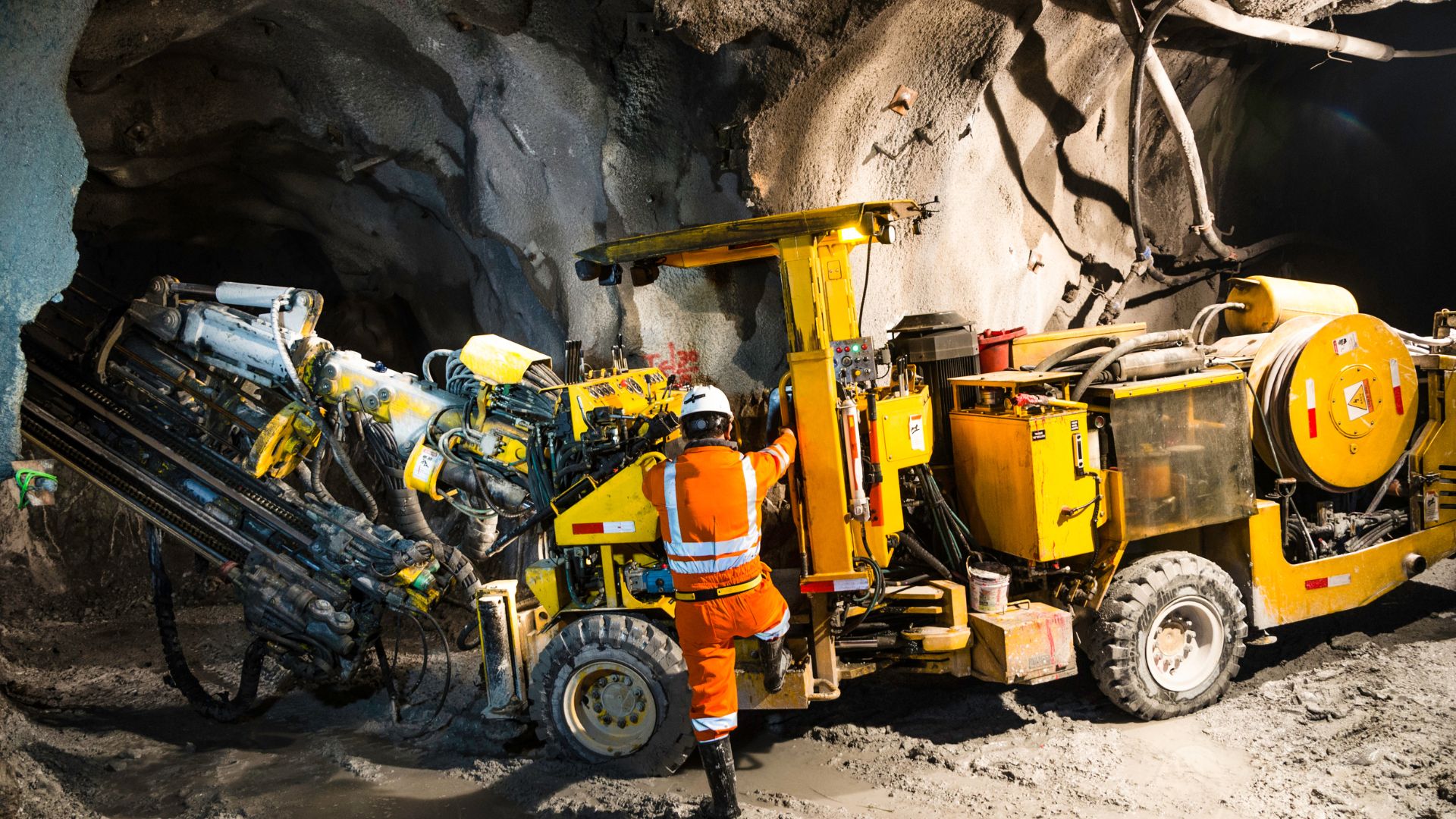
We regularly demonstrate practical strategies on-site: better ways to lift in tight spaces, how to enter and exit equipment with less strain, and how to position the body before starting a task. We also encourage workers to ask for help from a partner or use available ergonomic equipment rather than managing awkward loads alone. Ergonomics isn’t just about how you move it’s also about recognizing when a task shouldn’t be done solo.
This is where ergonomic assessments play a crucial role. Rather than offering generic advice, we observe how workers perform their specific job tasks in real conditions. We watch how they sit in equipment, how they grip tools, how they lift materials, and how they move within confined spaces. From there, we provide individualized adjustments that make their job more sustainable for their body.
Sometimes the change is as simple as adjusting seat depth so the pelvis is supported. Other times it involves modifying how materials are stored to reduce overhead lifting. It may mean repositioning frequently used tools so workers don’t repeatedly twist, or adjusting foot placement during lifts to improve stability. These small refinements often lead to noticeable improvements in comfort by the end of a shift.
Ultimately, ergonomics in mining is not about perfection. It’s about awareness, small adjustments, and consistency. It’s about recognizing the habits that slowly create strain and replacing them with techniques that protect the body over time.
Because in this environment, it’s not one lift, one shift, or one task that causes discomfort, it’s the repetition. And small changes to how those tasks are done can be the difference between finishing a shift feeling worn down and finishing it feeling capable, supported, and ready to do it again tomorrow.