What Does it Mean to be Fit for Work in the Mining Industry? A Registered Nurse’s Perspective: Taylor Paladino, RN
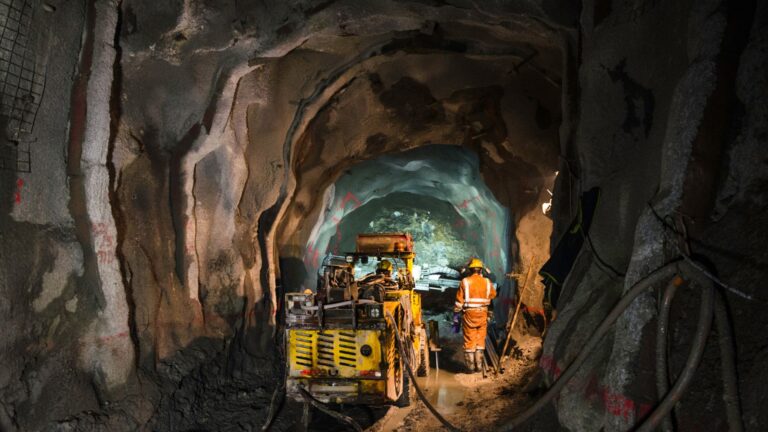
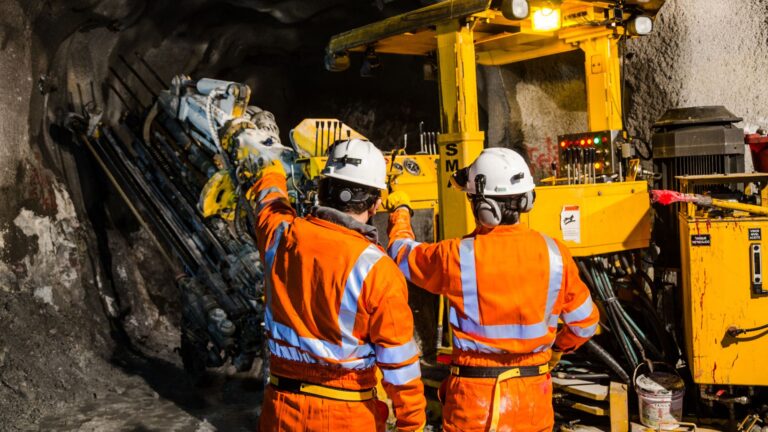
What does “fit for work” really mean when we are talking about mining? Mining is an industry where conditions can be demanding. Long shifts, remote locations, intensive workloads, fatigue, environmental hazards and operating heavy machinery all require workers to be at their best.
Being fit for work means a person is physically and psychologically capable of performing the inherent requirements of their role safely, without putting themselves or others at risk. Therefore being “fit for work” is much more than just passing a medical assessment or exam.
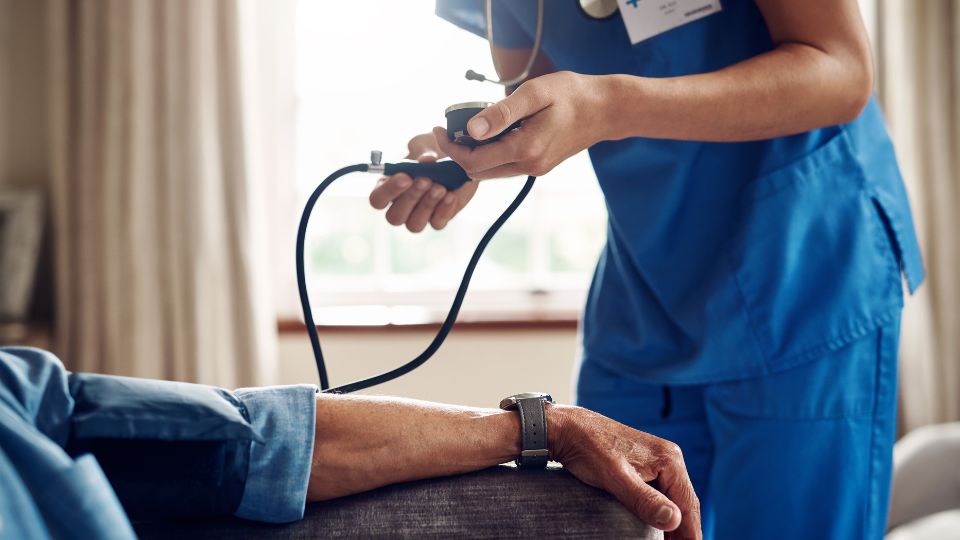
As nurses, our role is to assess, educate, advocate and identify opportunities to support a worker’s health. Sometimes that means recognising an unmanaged medical condition and providing support to help medically manage. Other times it’s discussing symptoms of fatigue, burnout, mental wellbeing and helping someone understand how lifestyle factors impact their ability to show up and work safely.
An important role we play as on-site occupational health nurses is prevention. We have the privilege to work alongside workers to be able to quickly identify health risks early, provide education and encourage workers to seek treatment before a small concern becomes something serious. In many cases, these conversations are what help contribute to overall workplace safety, while also having a lasting impact on the overall health and quality of life of every worker. Creating a culture where workers feel comfortable discussing their personal health concerns can make a significant difference, both in the workplace and in their personal lives.
It’s important to remember that being fit for work is not a one-time assessment only completed during pre-employment. Health changes over time, and so do the demands of the job. Ongoing monitoring, regular health assessments and allowing a safe space for workers to speak up when something does not feel right all have an impact on a stronger safety culture. Every medical assessment completed is done so with one common goal- to ensure workers go home safely to their loved ones after every shift.
So how do we assess workers to ensure they are fit for work? Some examples of being fit for work in the mining industry include;
- Having a baseline assessment upon pre-employment so any acute health changes can be quickly identified
- Reporting an injury or illness early
- Managing chronic health conditions such as diabetes, asthma or hypertension so they do not impact one’s ability to work safely
- Getting adequate sleep before shifts to reduce fatigue-related incidents
- Staying well hydrated especially in hot environments where dehydration can quickly affect concentration and decision-making
- Being mentally fit by recognizing when stress, anxiety or personal circumstances may be affecting one’s focus or judgement
- Arriving to work free from the effects of alcohol, illicit drugs or medications that may impair alertness or reaction time
Occupational health nursing is about so much more than just compliance. It’s about the people we are lucky enough to be able to work alongside. It’s about supporting workers to stay healthy, helping employers create safer workplaces, and contributing to an industry where prevention is valued as much as treatment.
Being fit for work isn’t about perfection, or about finding reasons to keep people from the workplace. Being fit for work is about identifying early risks, the ongoing support of workers to manage their health and allowing everyone the ability to perform their full job duties without preventable risk or dangers. This is the most important role workers play in keeping the workplace safe and hazard-free.