Tools and Resources for Mining Teams to Stay Active on the Job
Mining is demanding work. Long shifts, repetitive tasks, heavy equipment, awkward positions, and hours spent either on your feet or seated in a cab all place consistent stress on the body. Over time, it’s very common for tension to build in the low back, shoulders, and neck especially when posture stays the same for long periods or when one side of the body does most of the work.
What many workers don’t realize is that this discomfort isn’t just “part of the job.” In many cases, small daily habits and simple tools can make a significant difference in how the body feels at the end of a 12-hour shift.
At Mynwell, a major part of our role on mine sites is helping crews stay ahead of these aches and pains before they turn into injuries that require time away from work. While treatment is always available when needed, the real impact comes from prevention and maintenance giving workers practical strategies they can use throughout their shift to keep moving well.
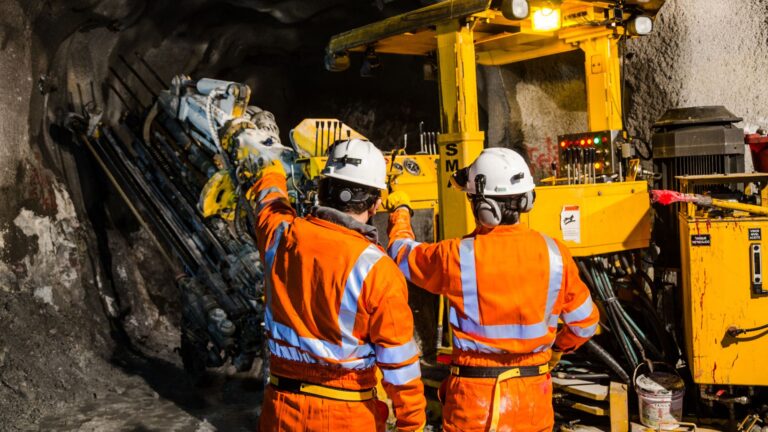
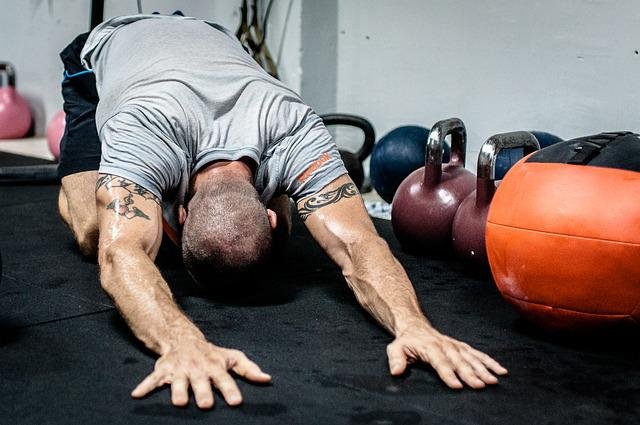
One of the most effective resources we use doesn’t involve equipment at all: short group stretch sessions during morning safety meetings. These routines are designed specifically for the areas miners tend to struggle with most: the hips, chest, and upper back. A standing figure-four stretch helps open the hips and relieve low back tension. A pec wall stretch helps counteract the forward posture that builds from operating equipment and handling tools. Upper trapezius and neck mobility work helps relieve the stiffness that often builds through the shoulders and neck over the course of a shift, just as a few examples.
While these routines take only a few minutes, they provide a vital reset before the shift even begins. Beyond the physical benefits, crews are encouraged to maintain these movement patterns even on days when a therapist isn’t on-site, fostering a culture where staying active is a natural part of the workday rather than a scheduled event. These sessions also play a key role in supporting site morale and mental health, helping to set a positive tone for the day and encouraging stronger interaction among co-workers.
During the shift, we often talk about the value of micro-breaks. Mining work doesn’t always allow for long rest periods, but even 20–30 seconds to change position, stretch a tight area, or move differently can reduce the strain that accumulates from repeating the same task for hours. These small breaks are especially helpful for the low back and shoulders, which tend to carry most of the load throughout the day.
For workers who naturally use one side of their body more than the other, another simple strategy is switching sides whenever possible. Alternating how tools are handled or how materials are moved helps distribute the workload more evenly and prevents one side from becoming overloaded shift after shift.
Simple tools can also make a big difference. Resistance bands and lacrosse balls are items we often provide because they’re easy to keep in a locker or bag and can be used quickly during a break. A band can be used to activate upper back muscles that tend to get weak from forward posture. A lacrosse ball can help release tension through the hips, glutes, or shoulders in just a few minutes. Foam rollers, often available in site gyms, offer a longer reset before or after a shift.
None of these tools are complicated, but when used consistently, they help manage muscle tension and maintain mobility in the areas that work the hardest.
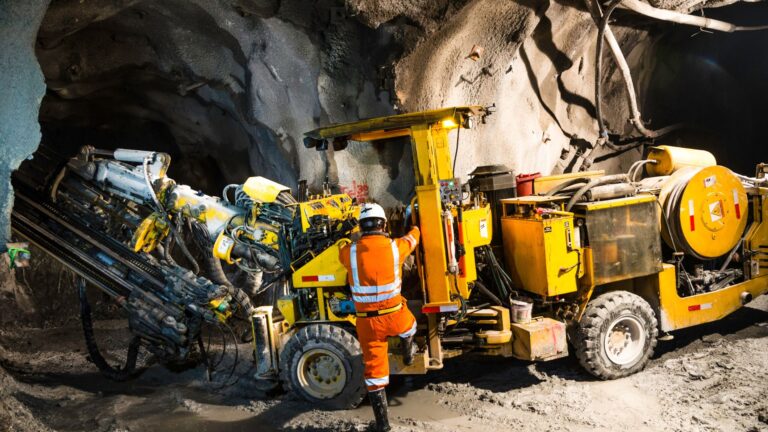
Another major focus is how the job is set up in the first place. For workers who spend much of their shift seated, whether at a desk or in a cab, proper chair and workstation setup is critical. Seat height, back support, and positioning all influence how much stress ends up in the low back and neck by the end of the day. Small adjustments to these setups often lead to noticeable improvements in comfort.
For those performing manual tasks, reinforcing proper lifting techniques and body positioning helps reduce unnecessary strain before it becomes a problem. Often, it’s not the weight of the object but how it’s being moved that leads to discomfort over time.
This is exactly why we go in and complete ergonomic assessments on-site. Rather than taking a one-size-fits-all approach, we look at how each individual actually performs their job and identify what adjustments can be made to better suit their body and movement patterns. Everyone works slightly differently, even when doing the same task, so what works well for one worker may not be ideal for another. Through these assessments, we can help fine-tune everything from workstation setup and seating position to tool handling and movement strategies. The goal is to reduce unnecessary strain, improve efficiency, and ultimately help each worker find the most sustainable way to do their job comfortably and safely over a long shift.
While post-injury care is always available, many workers come in for prevention and maintenance. They recognize that staying ahead of discomfort helps them perform their jobs better and feel better when they go home. This proactive mindset is exactly what keeps minor tightness from becoming significant injuries.
Staying active on the job doesn’t require long workouts or complicated routines. It comes down to consistent small actions repeated throughout the day: a few stretches before the shift, short micro-breaks during work, using simple tools when needed, and making sure the work environment supports the body instead of working against it.
For those looking to explore more about workplace movement and ergonomics, these trusted resources offer helpful general guidance:
- Ergonomics and workplace setup guidance:
https://www.ccohs.ca/topics/hazards/ergonomic/ - Workplace stretching and movement ideas:
https://workplacesafetynorth.ca/en/resource/ergonomic-stretching-101 - Safe lifting and material handling principles:
https://www.ontario.ca/page/ergonomics-workplace
These guidelines are valuable starting points, but they become far more effective when applied directly to the specific tasks and physical demands of a mining site.
Every mine is different. Every crew is different. The physical demands vary from role to role. That’s why the most effective strategies are the ones tailored to the actual work being done. With the right support, practical tools, and small daily habits, staying active on the job becomes part of the routine, helping workers feel better, move better, and finish their shifts with less pain and fatigue.
For mine sites looking to better support their teams, these are just a few examples of how bringing athletic therapy on-site can make a meaningful difference in both worker well-being and overall site health and why more teams are recognizing the value of having this support built directly into their work environment.