Advice for Young Professionals Looking to Pursue a Career in Athletic Therapy Within the Industrial Sector: Britney Hovencamp
When most athletic therapy students picture their future, they picture a clinic or the sideline of a sports field. I did too. Throughout school, I worked in sport and assumed that after graduation, my path would naturally continue in that direction. What I didn’t realize at the time was that there was an entire side of athletic therapy that no one really talks about, the industrial sector.
Just over a year ago, I began working in the mining industry with Mynwell and it completely changed the way I see my profession. If you’re a young professional or a student considering a career in athletic therapy, my biggest piece of advice is this: don’t limit your idea of where your skills can take you.
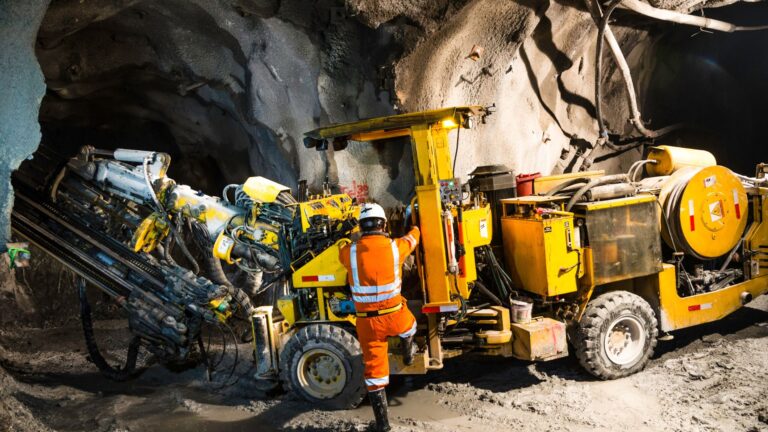
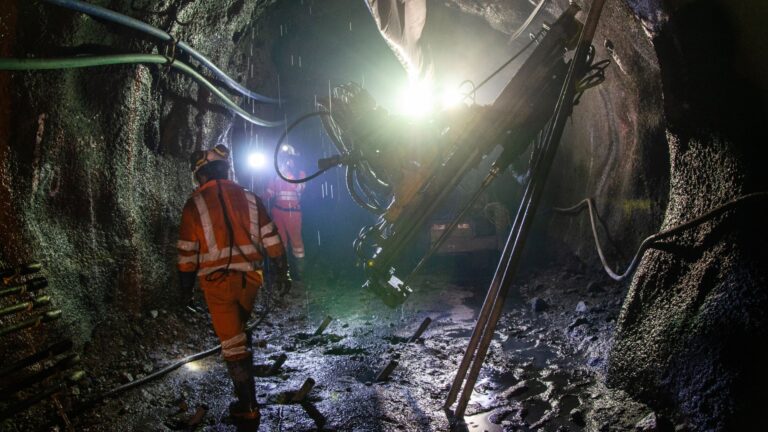
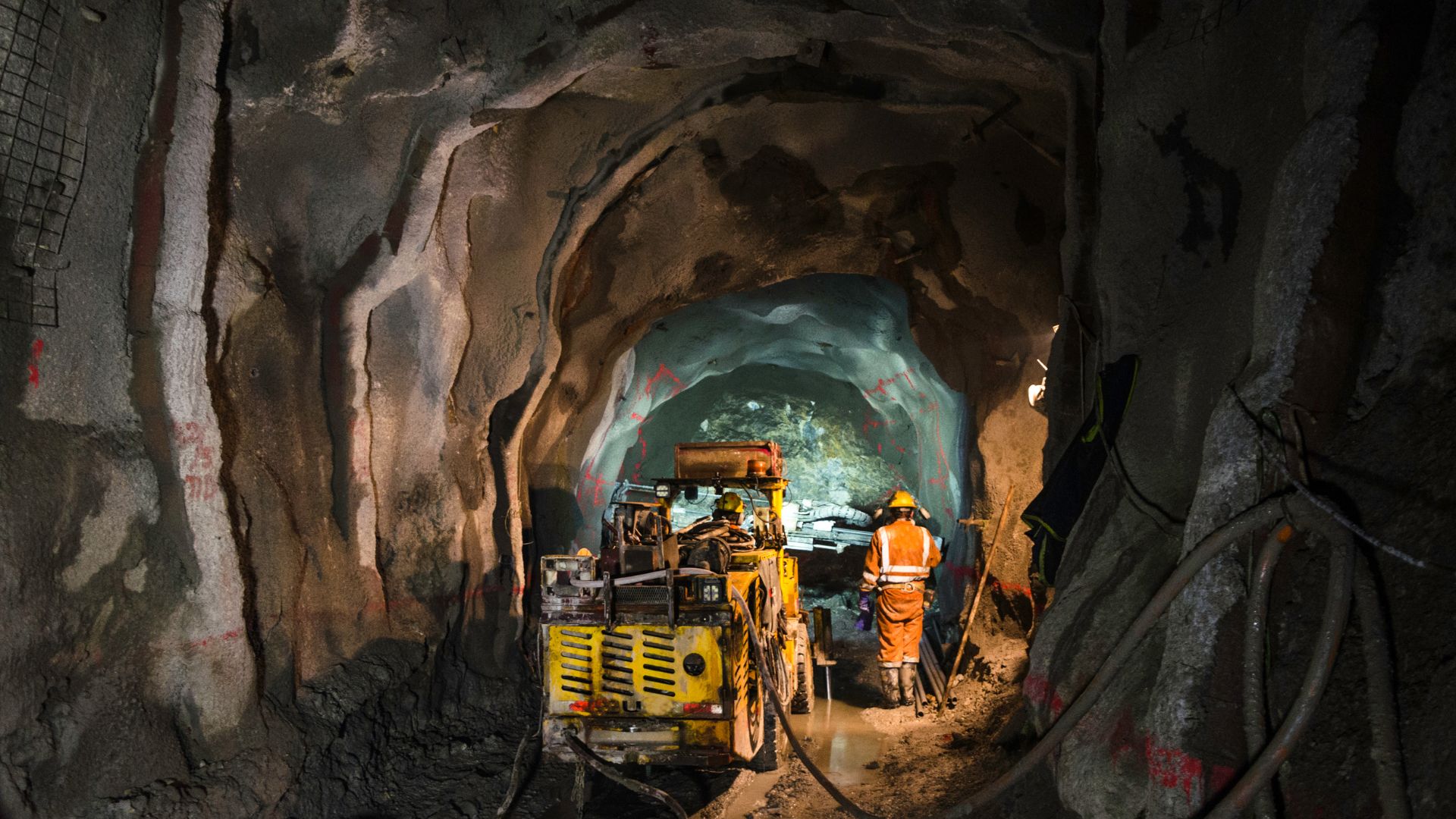
One of the biggest misconceptions students have is that the only real job options are clinic work, working with a sports team, or in a school setting. While those are great paths, they are far from the only ones. Industrial settings, mines, construction sites, manufacturing plants, are full of workers performing physically demanding tasks for 10 to 12 hours a day. They deal with repetitive strain, overuse, awkward positions, and physical fatigue at a level most athletes don’t even experience daily. And yet, many of these workers have limited access to healthcare, especially those living in small, remote communities.
That’s where athletic therapists fit in perfectly.
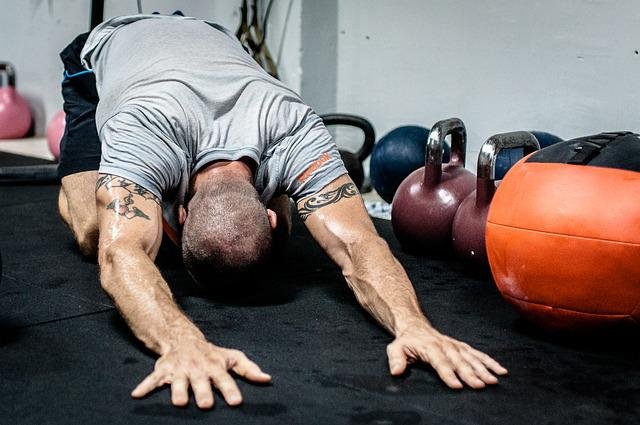
Our understanding of movement, biomechanics, injury prevention, and rehabilitation translates seamlessly into these environments. Instead of focusing on performance, we focus on sustainability, helping workers do their jobs safely, comfortably, and pain-free day after day.
The hardest part of transitioning into industrial athletic therapy isn’t the injuries, it’s learning a new world. You walk into an environment with its own language, culture, equipment, and safety protocols. You hear terms you’ve never heard before. You watch job tasks you don’t yet understand. At first, you feel like a beginner again, even though you’ve just graduated.
And that’s okay.
Some of your best learning won’t come from textbooks or courses, it will come from the miners themselves. Asking a worker to show you exactly what they do teaches you more than you could ever know. Being open, curious, and willing to learn is one of the most important traits you can bring into this sector.
A large part of my role involves being on-site completing physical demand analysis (a breakdown of the miner’s job tasks and what is required physically to complete each task), performing ergonomic assessments, joining morning safety meetings to lead education and stretching sessions, and observing how tasks are performed. Then I treat workers in a clinic at site and back at camp. This is where your background in biomechanics and ergonomics becomes incredibly valuable. But more importantly, this is where adaptability becomes your greatest skill. You have to think on your feet, apply your knowledge to situations you’ve never seen before, and constantly adjust your approach.
Another misconception I had as a student was that work-life balance would be almost impossible right out of school. In reality, I work a 7 days on, 7 days off rotation. When I’m off, I’m truly off. I still choose to work in sport during my time off, both as an athletic therapist and a coach, because I love it, but I don’t have to. This schedule gives me the flexibility to maintain my passion for sport while building a stable and sustainable career in the industrial world.
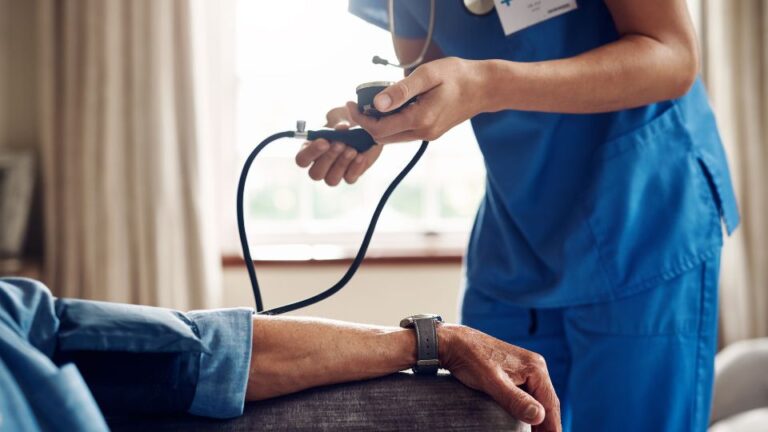
What I didn’t expect to love most about this job is the people. Many of the miners I work with live in small towns where accessing healthcare means long drives and time off work that they simply can’t afford. So they work through pain far longer than they should. Being on-site means bringing healthcare directly to them. When a worker thanks you because they were able to get through a 12-hour shift pain-free and didn’t have to miss work, you realize how meaningful your role truly is. The gratitude in this setting is something I’ve never experienced anywhere else.
If you’re considering this path, know that certifications and technical knowledge are helpful, but your mindset is what will determine your success. A strong understanding of ergonomics and biomechanics will serve you well, but being adaptable, humble, and willing to learn from both the workers and other therapists on your team is even more important.
It’s also important to know that not every company or site will already have a role carved out for an athletic therapist and that doesn’t mean there isn’t a need for one. In many industrial settings, leaders know injuries, fatigue, and lost time are issues, but they don’t yet realize that an athletic therapist is the solution. This is where you may need to be proactive and help create the space yourself. That can mean explaining how your skills translate to injury prevention, offering to perform task analysis, demonstrating how early intervention reduces lost-time injuries, or educating teams on the value of ergonomics and movement quality. Sometimes the opportunity isn’t posted on a job board because no one has connected the dots yet. Being able to communicate your value clearly and confidently can open doors that didn’t previously exist.
You also don’t have to feel like choosing industrial means leaving sport behind. This career path has actually allowed me to stay connected to sport in a way that feels balanced and sustainable.
So my advice to young professionals is simple: don’t box yourself into what you think athletic therapy is supposed to look like. Be open to environments you’ve never considered. Be willing to feel like a beginner again. Recognize that your skills are needed in places far beyond the sideline or clinic and sometimes, be willing to show people why.
Industrial athletic therapy is challenging, rewarding, and incredibly impactful. It’s a place where you can make a real difference in the lives of people who are often overlooked by the healthcare system. And for me, that has completely changed what it means to be an athletic therapist.