A Healthier Mine Starts With Mynwell
It usually starts the same way.
A worker feels a bit of tightness in their lower back. It’s nothing new, just part of the job, something they’ve learned to push through. By mid-shift, it’s more noticeable. By the end of the week, it’s affecting how they move, how they focus, and eventually, how they live outside of work.
Now multiply that across a crew. A department. An entire site.
What starts as minor discomfort becomes something much bigger, lost productivity, increased safety risk, missed time, and a workforce that isn’t operating at its full potential.
This is the gap Mynwell was built to close.
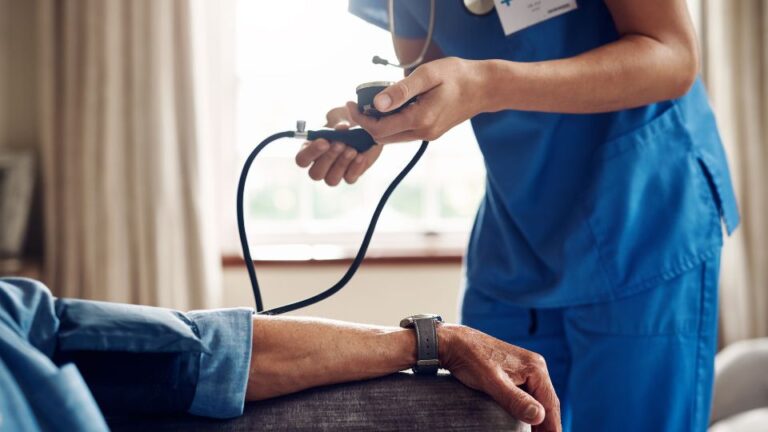
When we step onto a mine site, our role goes far beyond treating injuries. We’re there to understand how work is being done, where strain is building, and how to prevent small issues from becoming serious ones. It’s about shifting from reactive care to proactive, embedded support that becomes part of daily operations.
Becoming Part of the Operation
Over the course of 2025, Mynwell teams were embedded across multiple mine sites, integrating directly into day-to-day workflows. This wasn’t occasional support or periodic visits, we reached 100% of departments at each site, supporting hundreds of workers in real time.
At one site alone, that meant assessing 316 workers, delivering over 2,100 follow-up appointments, and participating in 693 safety huddles.
But the numbers only tell part of the story.
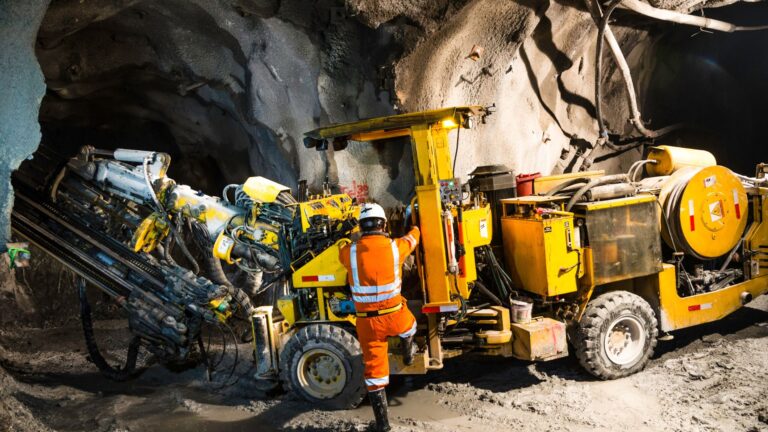
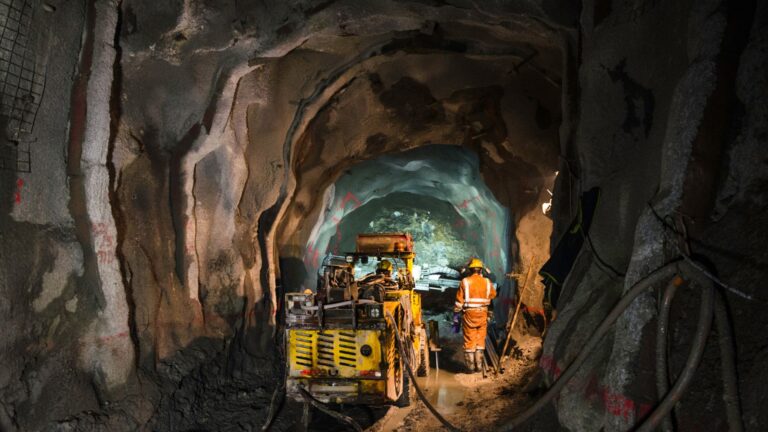
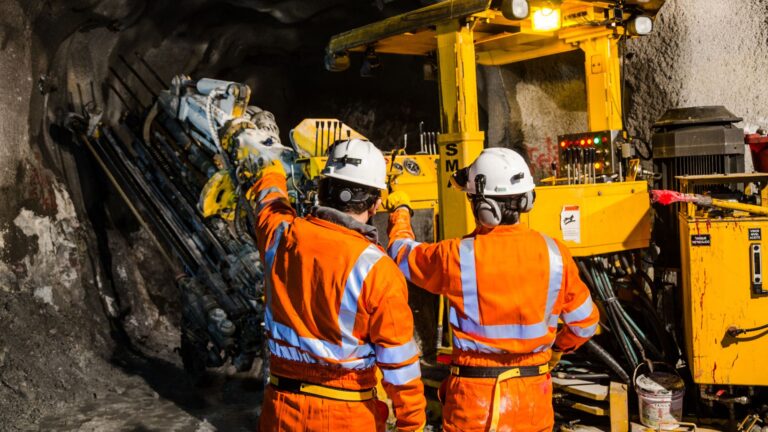
What makes the difference is presence. Being there during pre-shift huddles. Walking the floor both on the surface and underground. Spending time in control rooms and maintenance bays. Having conversations not just about injuries, but about how work feels in the moment.
Over time, something begins to shift. Workers start speaking up earlier. Small issues get addressed before they escalate. Health becomes part of the operational conversation, not something separate from it.
What the Data Revealed
Every site has its own rhythm, but the data across locations told a consistent story.
Lower back, shoulder, and neck issues were the most common challenges. Sprains, strains, and overuse injuries led the way, often tied to posture, repetition, and the physical demands of specific roles. Equipment operators and labor-intensive positions consistently carried the highest risk.
At the same time, the scale of support being delivered was significant.
At a single site, Mynwell teams provided over 78,000 minutes of treatment in 2025. Across a two-mine district, that number approached 90,000 minutes. That’s hundreds of hours spent working directly with employees on site, in real time, without delays between injury and care.
Prevention was just as visible. At one site alone, more than 600 stretch sessions were led, alongside hundreds of individual consultations and daily participation in safety discussions.
The goal isn’t just to treat what hurts, it’s to reduce how often it happens in the first place.
Measurable Change for Workers
As programs matured, the impact became clear, not just in data, but in how workers felt and performed.
At one site, average pain levels dropped from 6.32 to 2.08. At another, workers reported more than a 50% reduction in pain following treatment. Across multiple operations, most workers reported missing between zero and three days of work due to physical health after engaging with Mynwell.
Equally important is what didn’t happen.
Between 80% and 90% of workers remained on full duty. Only a small number of cases required time off-site. Dozens of WSIB cases were successfully closed, with far fewer remaining open.
These outcomes reflect more than recovery, they show what’s possible when care is immediate, consistent, and integrated into the way work gets done.
Supporting the Whole Worker: Physical and Mental Health
While physical strain is one of the most visible challenges in mining, it’s only part of the picture.
Long shifts, remote locations, and demanding environments can take a toll mentally as well as physically. That’s why Mynwell’s approach includes dedicated mental health programming alongside physical care.
This includes on-site support, education, and resources designed to help workers manage stress, build resilience, and feel supported beyond just their physical well being. By normalizing conversations around mental health and integrating them into daily operations, sites begin to foster a culture where workers feel comfortable speaking up and seeking support early.
The result is a more engaged, more resilient workforce. One that is better equipped to handle the demands of the job.
Impact Beyond the Mine Site
The effects of a healthier workforce don’t stop at the gate.
When workers feel better physically and mentally, that carries into their lives at home and in their communities. Less pain means more energy. Fewer injuries mean more time with family. Improved well being creates a ripple effect that extends far beyond the workday.
Mynwell also actively engages with the communities surrounding mine sites by supporting local initiatives, participating in health and wellness events, and contributing to a broader culture of well being. This connection helps strengthen relationships between sites and the communities they operate in, reinforcing the idea that workforce health is part of something bigger.
The Operational Value of Health
From an operational perspective, the impact is just as clear.
Injuries are expensive, far beyond the immediate medical costs. Lost production time, overtime, administrative strain, and increased premiums all add up quickly.
By addressing issues early and keeping workers on the job, Mynwell helps reduce lost-time injuries and shorten recovery periods. Workers receive care immediately, rather than waiting days or weeks, which leads to faster returns to full duty and lower overall claim costs.
There’s also a productivity benefit that’s often overlooked. Even when workers stay on shift, pain and discomfort can reduce efficiency. When those factors are minimized, performance improves. Across a workforce, even a modest 2-5% increase in productivity can translate into significant gains over the course of a year.
At the same time, strong case management and higher full-duty rates contribute to reduced WSIB and insurance pressure, helping stabilize costs long term.
Adapting to Every Site
No two mine sites operate the same way, and Mynwell’s approach reflects that.
By continuously analyzing site-specific data, teams can focus efforts where they’re needed most—whether that means targeting high-risk departments, addressing increases in specific injury types, or working closely with equipment operators on posture and mobility.
This adaptability ensures that support isn’t just consistent, it’s relevant.
Looking Ahead
The next phase of this work goes beyond prevention.
Mynwell is expanding into areas like pre-employment physical screening, detailed ergonomic task analysis, and department-specific performance programs. Ongoing rehabilitation and progress tracking will continue to play a key role, but the broader goal is to build a workforce that is not just protected from injury, but prepared to perform at a higher level.
Building a Better Standard
At its core, this isn’t just about healthcare.
It’s about creating a better standard for how mine sites operate; one where worker health is integrated into daily workflows, where issues are addressed early, and where both physical and mental well being are treated as essential to performance.
The outcome is clear: fewer injuries, less downtime, lower costs, and a stronger, more engaged workforce.
Most importantly, it means more workers going home healthy—and coming back ready to do their best work.
And that’s where real change begins.